Exciting changes are coming!
The Dignity Health website is moving to CommonSpirit.org to deliver a more patient-centered digital experience across CA, AZ, and NV.

Colorectal cancer is a malignant tumor of the colon (large intestine) or the rectum (the lower part of the colon). Despite significant advancements in diagnosis and treatment, colorectal cancer remains the second leading cause of cancer-related deaths for Americans. Fortunately, colorectal cancer is often preventable and highly treatable—especially when caught early.
Colorectal cancer usually begins as small growths called polyps on the inner lining of the colon or rectum. Over time, some polyps can mutate into invasive cancer. While not all polyps become cancerous, removing them during a colonoscopy can stop cancer from developing.
Certain factors can raise your risk:
In early stages, colorectal cancer may not cause any symptoms, which is why screening is so important. When symptoms do appear, they may include:
If you experience any of these symptoms, especially if they last more than a few days, talk to your doctor right away.
Screening helps find colorectal cancer early, when it's easier to treat—and can even prevent cancer by removing polyps before they become invasive.
Doctors recommend starting screening for colorectal cancer at age 45 if you're at average risk. There are several screening options:
Ask your doctor which screening method is right for you.
There’s a lot you can do to lower your risk of colorectal cancer:
If you're diagnosed with colorectal cancer, your treatment will depend on the stage and location of the cancer. Common treatments include:
For most cases, surgery is the mainstay of treatment, with chemotherapy and radiation therapy being added for special circumstances or higher risk disease.
For rectal cancer, radiation therapy is often used before surgery to shrink the tumor. This makes it easier to remove and reduces the chance of the cancer coming back.
In some cases, if the tumor responds well to chemoradiation (a combination of chemotherapy and radiation), surgery may not be needed right away. This is called a non-operative or “watch-and-wait” approach. Instead of surgery, patients are closely monitored with regular scans, exams, and colonoscopies. This can help preserve bowel function and avoid a permanent colostomy.
Colorectal cancer is serious, but it’s also highly preventable and treatable. Knowing the symptoms, getting screened, and living a healthy lifestyle can go a long way in protecting your health. Colorectal cancer requires management by a team of Gastroenterologists, Surgeons, Medical Oncologists, and Radiation Oncologists. At Mission Hope, our physicians collaborate closely, and we have strong working relationships with the other cancer treatment specialists on the Central Coast. We are dedicated to providing outstanding and tailored colorectal cancer prevention and treatment.
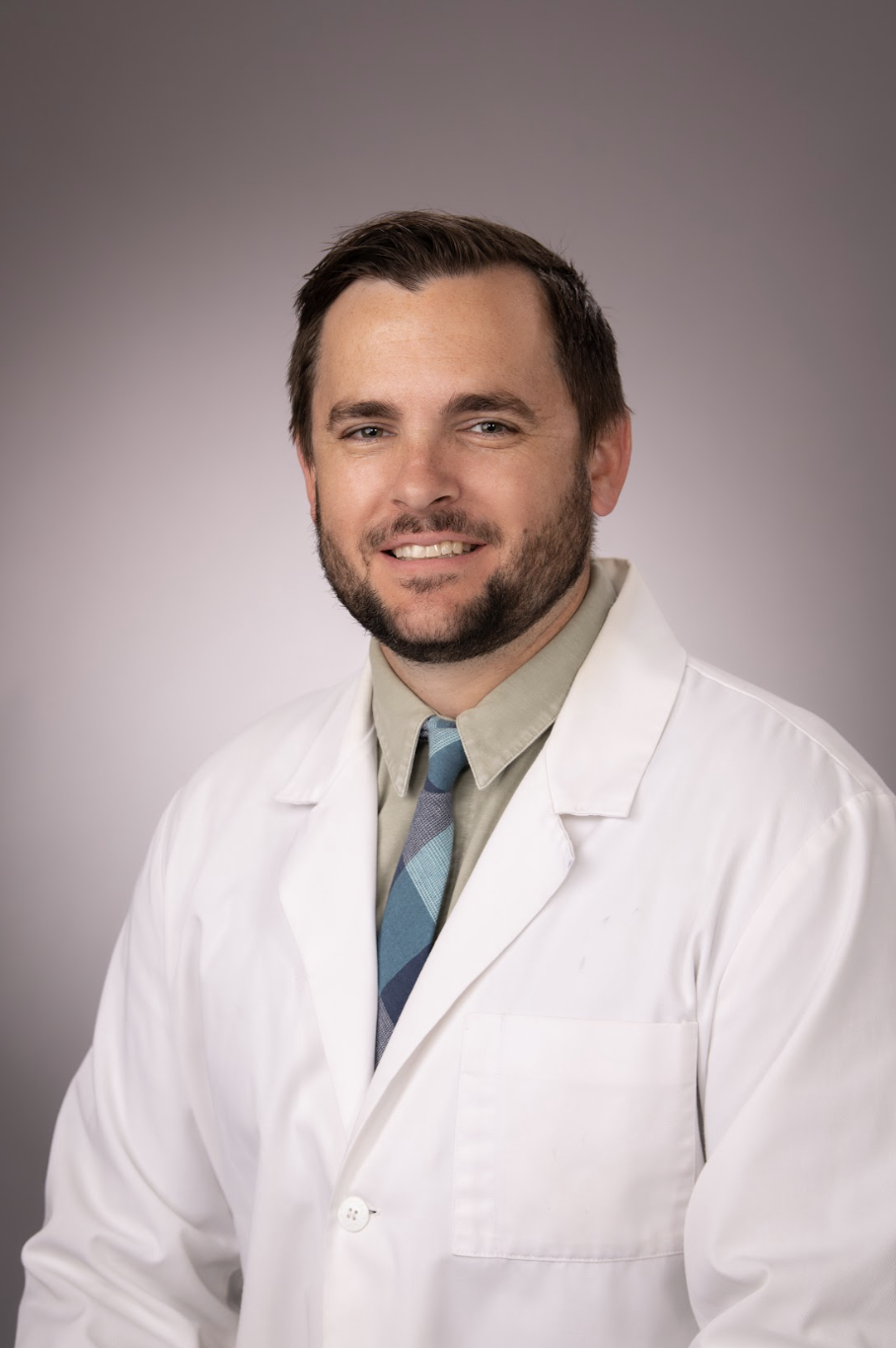
Jonathan Van Wickle, MD
Board Certified Radiation Oncologist
Mission Hope Cancer Center