Exciting changes are coming!
The Dignity Health website is moving to CommonSpirit.org to deliver a more patient-centered digital experience across CA, AZ, and NV.

Welcome to our specialized gastroenterology/gastrointestinal clinic, where expert digestive care and comprehensive treatments meet to address your specific needs. At Bishop Street Specialty Center in San Luis Obispo, our Gastroenterology physicians specialize in preventing, diagnosing and treating digestive tract disorders. These mainly include conditions involving the pancreas, liver, gallbladder, esophagus, stomach, small intestine and colon.We offer convenient access to expert GI care, including advanced diagnostic procedures, screening colonoscopies for colorectal cancer and endoscopies, medical management of conditions like IBS, Crohn's disease, and GERD, and we treat symptomatic conditions of the digestive tract. Our practice is designed to improve your digestive health and overall well-being. Contact us today to learn more about our services and how we can help you achieve optimal gastrointestinal health in San Luis Obispo and the Central Coast area.
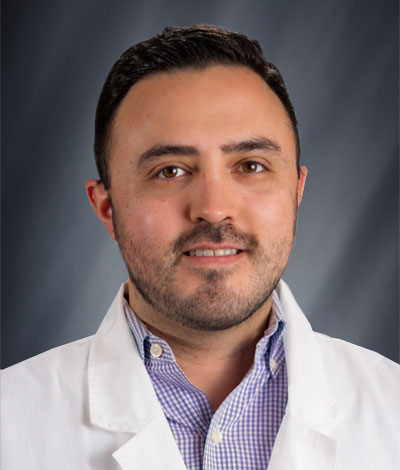
Dr. Michael Quezada earned his Doctor of Medicine degree from Texas A&M Health Science Center College of Medicine. He is Board Certified in Internal Medicine and completed his Internal Medicine and Gastroenterology/Hepatology training from Los Angeles County/University of Southern California Medical Center. He’s skilled in general GI procedures as well as Endoscopic Retrograde Cholangiopancreatography (ERCP) and performs this procedure at the French Hospital Advanced GI Lab. While in medical school, Dr. Quezada developed a health care program for medical students to participate in treatment of migrant farm worker patients. Dr. Quezada is fluent in Spanish
"My care philosophy is to work with my patients to develop their health goals and do all that is possible to assist them in achieving those goals."
Board Certification: Certified by American Board of Internal Medicine, Gastroenterology
Fellowship Training: LAC+USC Medical Center (Los Angeles, CA)
Internship and Residency: LAC+USC Medical Center (Los Angeles, CA)
Medical School: Texas A&M Health Science Center College of Medicine
Professional Memberships: Member, American Gastroenterological Association. Member and Fellow, American College of Gastroenterology
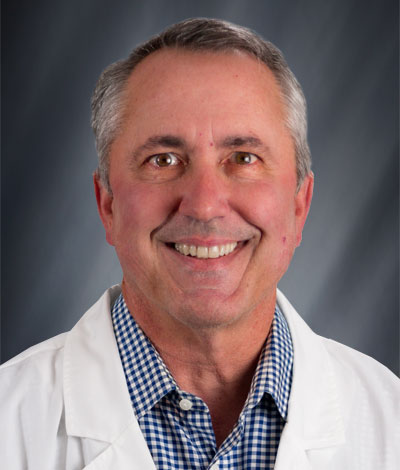
Board Certification: Certified by American Board of Internal Medicine, Gastroenterology
Fellowship Training: Duke University Medical Center
Internship and Residency: University of California, San Diego Medical Center
Medical School: University of Texas Southwestern Medical School
Professional Memberships: Member, American Gastroenterological Association Member and Fellow, American College of Gastroenterology
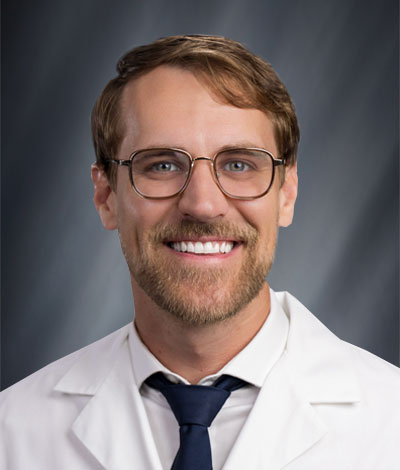
Dr. Paul Guzik specializes in diagnosing and treating various conditions affecting the digestive system which includes the gastrointestinal tract as well as the pancreas, liver, bile ducts and gallbladder.
"I believe prevention is a crucial aspect of gastrointestinal care. By promoting healthy lifestyle choices, age appropriate screening, and early detection, we can work together to achieve the best possible outcomes. I am honored to partner with my patients in this process."
Fellowship: Gastroenterology Fellow from Loma Linda University Health Education Consortium in Loma Linda, California
Residency: Internal Medicine Residency from the University of Texas at Austin—Dell Medical School
Medical School: Doctor of Osteopathic Medicine, Des Moines University College of Osteopathic Medicine in Iowa
Undergraduate: Bachelor of Arts in Biology and Exercise Science from St. John’s University, Collegeville, Minnesota
Professional Memberships: American Society of Gastrointestinal Endoscopy (ASGE), American College of Gastroenterology (ACG), American Gastroenterology Association (AGA)

Dr. Nicholas Placone specializes in diagnosing and treating many complex conditions in Gastroenterology and Hepatology and he also has sub-specialized training in treatment of esophageal and motility disorders of the GI tract.
"I believe in patient-centered medical care and dedicating the time to understand each patient’s specific needs and ensure understanding about their own disease processes in order to form a personalized plan of care together."
Fellowship: Gastroenterology and Hepatology Fellow from the University of Southern California-Los Angeles (USC) and Los Angeles General Medical Center (LAC)
Residency: Internal Medicine Residency from University of California, Davis
Medical School: Doctor of Medicine from Medical College of Wisconsin
Undergraduate: Joint Major Mathematics and Economics and Minor in Biology from University of California, San Diego
Professional Memberships: American College of Gastroenterology (ACG), American Gastroenterological Association (AGA), American Neurogastroenterology and Motility Society (ANMS)
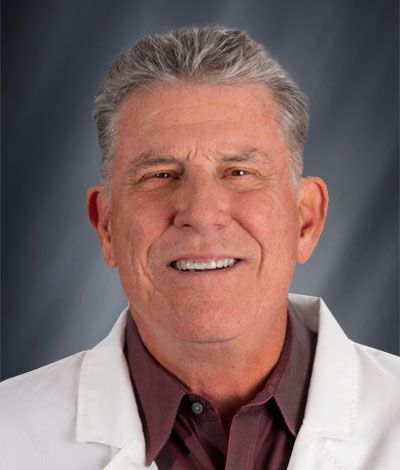
Bringing extensive expertise to the Central Coast, Dr. Jeffry Brown is a dedicated gastroenterologist with Dignity Health Pacific Central Coast Health Centers. His robust academic background includes a B.A. in Medical Physics and an M.A. in Biophysics from UC Berkeley. He went on to earn his M.D. from U.C. Davis School of Medicine, then completed his Internal Medicine residency at St. Mary Medical Center in Long Beach, followed by a Gastroenterology fellowship at Harbor-UCLA Medical Center. Dr. Brown previously led Endoscopy Services as Medical Director at Kaweah Delta Medical Center since 2005 and holds a fellowship in Endoscopic Ultrasound. While proficient in general gastroenterology, he has a special interest in the diagnosis and treatment of pancreatic and biliary diseases. In his leisure time, Dr. Brown enjoys biking and golfing.
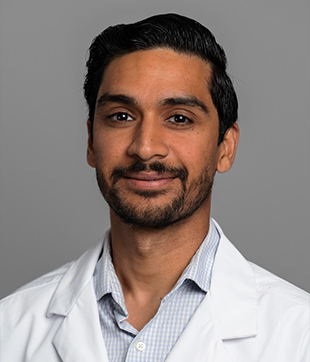
As a general gastroenterologist, I specialize in treating complex gastrointestinal disorders as well as preventive care and long-term wellness. I work closely with patients to identify risks early and promote healthy lifestyles to prevent and treat disease. My goal is to deliver high-quality, personalized care in a way that each patient feels well-informed and supported.
There is free parking in parking lot in front of the building.
This clinic treats the following conditions, among others.
Abdominal pain: Abdominal pain has many possible causes. Some aren't serious and get better on their own in a few days. Others need more testing and treatment. If your pain continues or gets worse, you need to be rechecked and may need more tests to find out what is wrong. You may need surgery to correct the problem.
Acid reflux, heartburn, or gastroesophageal reflux disease (GERD): Reflux means that stomach acid and juices flow from the stomach back up into the esophagus. This causes heartburn or regurgitation. When you have heartburn or regurgitation that bothers you often, it is called gastroesophageal reflux disease, or GERD. This can also cause pain and inflammation in your esophagus (esophagitis).
Acid reflux: Acid reflux is the backup of stomach acid into the esophagus, the muscular tube that connects the throat to the stomach. It may cause burning pain in the esophagus. Acid reflux may occur because of weakness in the ring of muscle (lower esophageal sphincter, or LES) that controls the flow of food from the esophagus into the stomach. Frequent acid reflux can lead to irritation of the esophagus (esophagitis), narrowing of the esophagus, or development of sores (ulcers) in the esophagus. Long-term exposure of the esophagus to stomach acid causes the cells that line the inside of the esophagus to be replaced by cells similar to those that line the inside of the stomach (Barrett's esophagus).
Acute liver failure: Acute liver failure is sudden damage to the liver that may be life-threatening. A damaged liver allows toxins to build up in your blood. Your liver may also stop making blood clotting factors and certain proteins in your blood. This can lead to bleeding and a buildup of fluids in your body.
Acute pancreatitis: The pancreas is an organ behind the stomach. It makes hormones like insulin that help control how your body uses sugar. It also makes enzymes that help you digest food. Usually these enzymes flow from the pancreas to the intestines. But if they leak into the pancreas, they can irritate it and cause pain and swelling. When this happens suddenly, it's called acute pancreatitis.
Anal cancer: Anal cancer is the abnormal growth of cells in the anus, which is the opening at the end of the rectum. Anal cancer is not common and is often curable. Symptoms of anal cancer include bleeding or discharge from the anus, pain in the area of the anus, an itchy anus, or a lump near the anus. Treatment often includes radiation and chemotherapy (chemoradiation). Sometimes surgery is needed. Your treatment and how well it works depends on the stage of the cancer and your general health.
Appendicitis: Appendicitis is a common reason for belly pain. It happens when the appendix becomes infected and inflamed. Your appendix is a small, finger-shaped sac that is attached to your large intestine. Experts do not know what the appendix does in the body. Most of the time it does not cause problems.
Bowel obstruction: A bowel obstruction is a blockage in the intestines that prevents gas, fluids, or solids from moving through the intestines normally. Many different problems can cause a bowel obstruction. Some examples are scar tissue from previous surgeries (adhesions), certain types of hernias, cancer, twisting of the intestines (volvulus), or diverticulitis.
Celiac disease: Celiac disease is an abnormal immune system reaction to gluten, a protein found in grains like wheat, barley, rye, and triticale (a wheat-rye cross). It damages the small intestine so that it can't do a good job of absorbing nutrients from your food. If you have celiac disease, you need to avoid foods that contain gluten.
Colon cancer: Colon cancer happens when cells that are not normal grow in your colon. These cells often form in polyps, which are small growths in the colon. Not all colon polyps turn into cancer. But most colon cancer starts in a polyp. Colon cancer occurs most often in people older than 50.
Constipation: Constipation means that you have a hard time passing stools (bowel movements). People pass stools from 3 times a day to once every 3 days. What is normal for you may be different. Constipation may occur with pain in the rectum and cramping. The pain may get worse when you try to pass stools. Sometimes there are small amounts of bright red blood on toilet paper or the surface of stools. This is because of enlarged veins near the rectum (hemorrhoids).
Crohn’s disease: Crohn's disease is a lifelong inflammatory bowel disease. It causes swelling, inflammation, and deep sores in the lining of your digestive tract. It usually affects the small and large intestine. But it can attack any part of the digestive tract, from the mouth to the anus. Crohn's can cause diarrhea, belly pain, and weight loss. Medicines can help control inflammation and eep the disease from causing symptoms. It's not clear what causes Crohn's disease, but it may run in families.
Diarrhea: Diarrhea is described as an increase in the frequency of bowel movements or a decrease in the consistency of stools that causes the discharge of watery, loose stools. The severity of diarrhea is determined by the size and number of stools passed within a period of time.
E. Coli: E. coli is a type of bacteria that lives in the digestive tracts of humans and animals. There are many types of E. coli, and most of them are harmless. But some can cause a dangerous type of diarrhea.
Food intolerance: Food intolerance refers to a physical response to a food or food additive that is not an allergic reaction. It differs from a food allergy in that it does not involve the immune system and it is much more common. Food intolerances are often mistaken as food allergies. Some common food intolerances include sulfites, lactose, and food additives like MSG. Food intolerances do not usually cause as severe a reaction as food allergies, but they can cause nausea, vomiting, painful cramping, and diarrhea.
Food poisoning: Food poisoning is an illness caused by eating foods that have harmful germs in them. They're mostly found in raw meat, chicken, fish, and eggs, but germs can spread to any type of food. Sometimes food poisoning happens when food is left sitting out or when people touch food without washing their hands.
Gallstones: Gallstones form when cholesterol and other substances found in bile make stones in the gallbladder. Sometimes a thick material called "sludge" forms instead of stones. This can cause the same problems as gallstones. If stones or sludge block a duct, treatment is usually needed.
Gas and bloating: Gas and bloating can be uncomfortable and embarrassing problems. All people pass gas, but some people produce more gas than others, sometimes enough to cause distress. It is normal to pass gas from 6 to 20 times per day. Excess gas usually is not caused by a serious health problem. Gas and bloating usually are caused by something you eat or drink, including some food supplements and medicines. Gas and bloating are usually harmless and go away without treatment. However, changing your diet can help end the problem. Some over-the-counter medicines can help prevent gas and relieve bloating.
Hemorrhoids: Hemorrhoids are swollen veins in or just outside of the anus. If you have hemorrhoids, you might notice a painful lump outside the anus. You might also notice bleeding or itching. Hemorrhoids are common, and your doctor will usually suggest home treatment.
Hepatitis: Hepatitis is a disease that causes inflammation of the liver and interferes with its normal function. Hepatitis can be caused by infection (usually by a virus), excessive alcohol use, medicine, or a problem with the immune system.
Hernia: A hernia is tissue from inside the abdomen that bulges out through a weak spot in the muscles of the abdominal (belly) wall. The weak spot may have been present since birth or may develop after surgery or from violent or ongoing coughing, lifting heavy objects, or aging.
Barrett’s Esophagus: Barrett's esophagus is a complication of chronic acid reflux that increases the risk of esophageal cancer. It's important to manage GERD symptoms and undergo regular surveillance to detect and treat any precancerous changes.
Pancreatic cancer: Pancreatic cancer occurs when abnormal cells grow in the pancreas. Your pancreas is in your belly, behind your stomach. It makes juices that help your body digest food. It also makes insulin, which helps control your blood sugar level.
Pancreatitis: Pancreatitis is inflammation of the pancreas, an organ in your belly that makes insulin and enzymes that help you digest food. Pancreatitis can cause sudden, severe belly pain. It's usually caused by heavy alcohol use or gallstones. Most people recover fully from pancreatitis.
Rectal bleeding: Rectal bleeding in small amounts is common. You may see red spotting on toilet paper or drops of blood in the toilet. Rectal bleeding has many possible causes, from something as minor as hemorrhoids to something as serious as colon cancer. You may need more tests to find the cause of your bleeding.
Ulcerative Colitis (UC): A chronic inflammatory bowel disease (IBD) causing inflammation and ulcers in the colon and rectum, leading to diarrhea, abdominal pain, and rectal bleeding.
IBD - Inflammatory Bowel Disease: A group of chronic inflammatory conditions affecting the gastrointestinal tract, including ulcerative colitis and Crohn's disease. Characterized by immune system dysfunction and causing symptoms like diarrhea, abdominal pain, and weight loss.
IBS - Irritable Bowel Syndrome: A common functional disorder affecting the large intestine, causing abdominal pain, bloating, gas, diarrhea, and/or constipation without visible inflammation or damage.
Treatments include medications, lifestyle and dietary changes, endoscopic therapy and surgery.
This clinic performs the following procedures, among others.
Screening Colonoscopies to Rule Out Colorectal Cancer: A screening colonoscopy is a preventative procedure used to examine the entire length of the colon (large intestine) and rectum for abnormalities, such as polyps or early signs of cancer. A long, flexible tube with a camera and light attached (colonoscope) is inserted through the anus and advanced through the colon. The camera transmits images to a monitor, allowing the doctor to visualize the lining of the colon. If polyps are found, they can often be removed during the procedure (polypectomy) and sent for biopsy to determine if they are cancerous or precancerous. The goal of a screening colonoscopy is to detect and remove precancerous polyps before they develop into cancer, or to detect cancer at an early, more treatable stage. Regular screening colonoscopies are recommended for individuals at average risk for colorectal cancer, typically starting at age 45 or 50, and continuing at intervals determined by the doctor based on individual risk factors and findings.
EGD - Esophagogastroduodenoscopy (EGD): Also known as an upper endoscopy, is a procedure used to visualize the lining of the esophagus, stomach, and duodenum (the first part of the small intestine). A thin, flexible tube with a camera and light attached (endoscope) is inserted through the mouth and gently advanced down the throat into the esophagus, stomach, and duodenum. The camera transmits images to a monitor, allowing the doctor to examine the lining of these organs for abnormalities such as inflammation, ulcers, tumors, or bleeding. During the procedure, the doctor can also take biopsies (small tissue samples) for further examination under a microscope. EGD is used to diagnose and sometimes treat conditions affecting the upper digestive tract, such as heartburn, difficulty swallowing, abdominal pain, nausea, vomiting, and gastrointestinal bleeding.
Endoscopy: A broad term that refers to any procedure that involves inserting a long, thin, flexible tube with a camera and light attached (endoscope) into the body to visualize internal organs or tissues. The endoscope is inserted through a natural opening (like the mouth, anus, or urethra) or through a small incision. The camera transmits images to a monitor, allowing the doctor to examine the lining of the organ or tissue. Endoscopy can be used for both diagnostic and therapeutic purposes. It can help diagnose conditions, take biopsies, remove foreign objects, stop bleeding, and perform other minimally invasive procedures. Different types of endoscopies are named based on the area of the body being examined (e.g., colonoscopy for the colon, bronchoscopy for the lungs, cystoscopy for the bladder).
Sigmoidoscopy: A procedure similar to a colonoscopy, but it only examines the lower portion of the colon, specifically the sigmoid colon and rectum. A flexible tube with a camera and light attached (sigmoidoscope) is inserted through the anus and advanced into the sigmoid colon. The camera transmits images to a monitor, allowing the doctor to visualize the lining of the sigmoid colon and rectum for abnormalities such as polyps, inflammation, ulcers, or tumors. Sigmoidoscopy is often used as a screening tool for colorectal cancer, particularly in individuals who are not able or willing to undergo a full colonoscopy. It can also be used to investigate symptoms such as rectal bleeding, abdominal pain, or changes in bowel habits. If polyps are found, they can often be removed during the procedure and sent for biopsy.
Capsulotomy: A surgical procedure that involves making an incision or opening in a capsule, which is a membrane or sac that surrounds an organ or structure. The specific type of capsulotomy depends on the location of the capsule being treated. A common type of capsulotomy is Posterior Capsulotomy, which is performed after cataract surgery. In this case, the natural lens of the eye is replaced with an artificial lens. Over time, the posterior capsule (the membrane behind the artificial lens) can become cloudy, causing blurred vision. A posterior capsulotomy uses a laser to create a small opening in the cloudy capsule, allowing light to pass through and restoring clear vision. Other types of capsulotomies may be performed to release pressure or drain fluid from a capsule surrounding a joint or other body part. The specific technique and instruments used will vary depending on the location and purpose of the capsulotomy.
Abdominal hernia repair: A type of surgery to fix a problem called a hernia. A hernia is a bulge under the skin in your belly. It happens when you have a weak spot in your belly muscles and a piece of your intestines or tissues pokes through your muscles. This can cause pain. You may notice the pain most when you lift something heavy.
Acid-reducing medicines: These can help relieve heartburn and other symptoms of indigestion. They can help prevent damage to your digestive system from stomach acids. They also are used to treat reflux and ulcer symptoms.
Appendectomy: A surgery to take out the appendix. This organ is a small sac that is shaped like a finger. It's attached to your large intestine. Appendicitis happens when the appendix becomes infected and inflamed. An appendectomy is the main treatment for it. If surgery is delayed, the inflamed appendix may burst. A burst appendix can cause serious health problems. If your appendix has burst, you may need an emergency surgery to remove the burst appendix.
Bowel resection: Resection is another name for any surgery that removes tissue or part of an organ. Bowel resection removes a diseased or damaged part of the small intestine, large intestine (colon), or rectum. Bowel resection can be done for many diseases that affect the colon, such as colorectal cancer, diverticulitis, or Crohn's disease. The goal of bowel resection is to take out the part of the bowel where the problem is. If the doctor is removing cancer from the colon, nearby lymph nodes are taken out and tested for cancer. Then healthy ends of the colon or rectum are sewn back together. Bowel resection is done either by opening the abdomen (open resection) or by laparoscopy.
Gallbladder removal surgery: Gallbladder surgery removes a diseased gallbladder. It is also known as cholecystectomy (ko-luh-sis-TEK-tuh-mee). This surgery is usually done as a laparoscopic surgery. The doctor puts a lighted tube (scope) and other surgical tools through small cuts (incisions) in your belly. The belly is inflated with air. The air pushes the belly away from the organs so that the surgeon can see them clearly. The incisions leave scars that fade with time.
Gastrectomy: Gastrectomy is surgery to remove all or part of the stomach. It is often done to remove tumors or areas with ulcers. In some cases, the doctor may also cut the nerves that signal the stomach to make acid. This is called a vagotomy.
Hernia repair surgery: A hernia occurs when a weak spot in your belly muscles allows a piece of your intestines or the tissue around them to poke through. This can cause a bulge in the area. It can also cause pain. But you may not feel anything. The hernia may be in your groin. Or it may be near your belly button. In some cases, it's in a scar from an earlier surgery. A doctor can fix a hernia through a cut (incision) made near it. This is called open surgery. Or the doctor may make some very small cuts and use a thin, lighted scope and small tools. This is laparoscopic surgery. If your hernia is bulging, the bulge is pushed back into place. The doctor then sews the healthy tissue back together. Often a piece of material is used to patch the weak spot. Open surgery will leave a longer scar. Laparoscopic surgery leaves a few small scars. The scars will fade with time.
Ileoanal anastomosis for ulcerative colitis: This surgery is done to treat ulcerative colitis. The doctor removes all of the large intestine (colon) and the diseased lining of the rectum. This surgery is also called an ileal pouch-anal anastomosis (IPAA). In an ileoanal procedure, the lining of the rectum is removed, and the lower end of the small intestine (the ileum) is attached to the opening of the anus. The surgeon makes a pouch from the ileum to hold fecal material (stool). The lower end of the pouch is attached to the anus. The muscles around the rectum are left in place. This allows for fairly normal bowel movements. The ileoanal procedure cures ulcerative colitis by removing all the tissue that the disease could return to.
Ileostomy: A surgical procedure that is used when the lower part of the digestive system (the colon) is diseased or damaged and it may not be possible to restore a connection so that stool can leave the body as usual. An ileostomy allows body waste to leave the body through a surgical opening.
Laparoscopic bowel resection: A type of surgery to remove a part of your intestine. It uses very small cuts, called incisions. To do this surgery, a doctor puts a lighted tube through incisions in your belly. This tube is called a scope. It lets your doctor see your organs. Next, the doctor puts special tools through the tube to take out part of your intestine. Then the doctor puts the healthy ends of your intestine back together.
Liver resection surgery: A surgery to remove a piece of the liver. Up to one-half of your liver can be removed if the rest of it is healthy. The doctor makes a cut (incision) in your belly to take out part of the liver. If the doctor removes the right side of your liver, your gallbladder will also be removed.
Paracentesis: A procedure to take out fluid that has collected in the belly (peritoneal fluid) outside the intestines. This fluid buildup is called ascites. Ascites may be caused by infection, inflammation, an injury, or other conditions, such as cirrhosis or cancer. The fluid is taken out using a thin needle put through the belly. The fluid is sent to a lab and studied to find the cause of the fluid buildup. Paracentesis also may be done to take the fluid out to relieve belly pressure or pain.
Radiofrequency (RF) treatments for gastroesophageal reflux disease (GERD): Radiofrequency (RF) treatments (like the Stretta procedure) mean that a doctor uses heat to treat the wall of the esophagus. This can help if you have irritation in your esophagus from gastroesophageal reflux disease (GERD).
Pacific Central Coast Health Centers contracts with most health insurance plans, including Medi-Cal, and provides health care services that fit your health plan benefits. If you have questions about the health insurance plans we accept, contact the office where you would like to be seen and our staff would be happy to answer any questions you may have.


Our expert GI team is committed to providing excellent gastrointestinal care using a comprehensive and personalized approach. Providing access to advanced endoscopic technology and compassionate care, our highly qualified gastroenterologists and advanced practice providers and medical staff, meticulously assess each patient's individual needs, utilizing thorough consultations, physical examinations, medical history evaluations, and advanced diagnostic procedures to accurately diagnose and develop tailored treatment plans aimed at improving digestive health and overall well-being.
Dr. Jeffrey Mundorf on When to see a Gastroenterologist
Dr. Jeffrey Mundorf on Colorectal Cancer Screening
Dr. Paul Guzik Talks about Colorectal Cancer Screening
Dr. Nicholas Placone on GERD