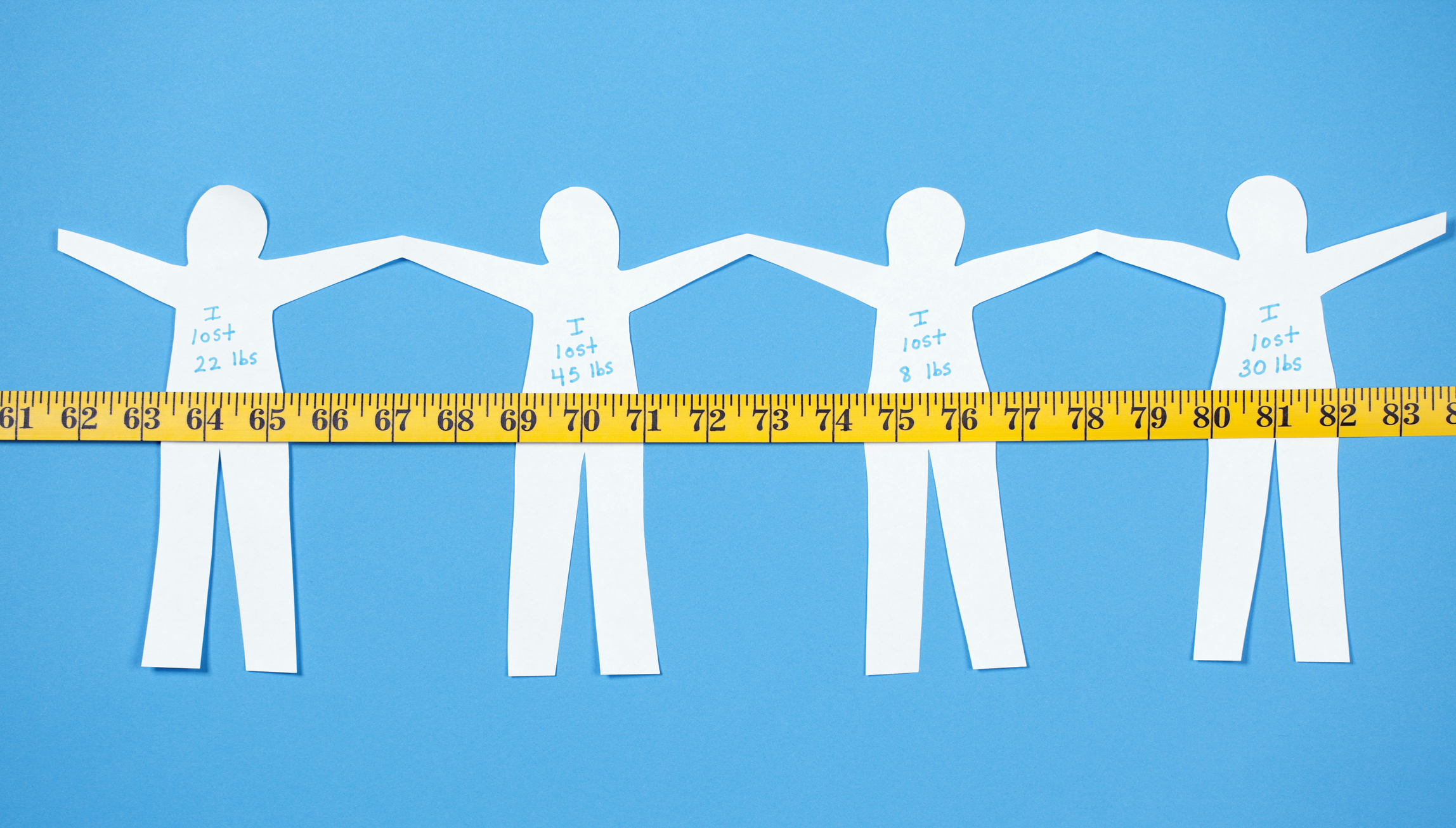
Dignity Health physician shares tips for menopause-related weight gain
September is Healthy Aging Month
(CHANDLER, Ariz. – Sept. 26, 2025) — For millions of women, one of the most common and often frustrating side effects of menopause is stubborn weight gain. During Healthy Aging Month, Shawn Stevenson, DO, chief of bariatric and foregut surgery with Dignity Health in Arizona, wants to empower women to take charge of their health by understanding the science behind the climbing numbers on the scale in an effort to make meaningful change with their weight.
“It’s not unusual for women to workout and eat well and still experience unwanted weight gain during menopause,” said Dr. Stevenson. “As frustrating as it can be, this trend is largely caused by hormonal changes.”
Menopause is a natural part of aging. The transition typically affects women between the ages of 45 and 55, however this range can vary. During this time, a woman stops producing hormones like estrogen which can lead to symptoms like a slowed metabolism, hot flashes, disruptive sleep and mood changes according to the National Institutes of Health (NIH).
“When a woman’s metabolism slows due to the hormonal shift during menopause, it directly impacts her muscle mass,” said Dr. Stevenson. “This can lead body fat to redistribute around the abdomen, making it easier to gain weight and harder to lose it. As body fat builds over time, it can put women at risk of developing diabetes and heart disease or suffering a stroke.”
Dr. Stevenson emphasizes the importance of women taking a holistic approach to their health which includes recognizing when they are not getting enough sleep and any changes to their mood. He says these psychological side effects indirectly impact a person’s ability to lose weight.
“Aging isn’t easy, but with proper support it is possible for women to maintain a manageable weight during menopause,” said Dr. Stevenson. “For those experiencing substantial weight gain, working with a multidisciplinary team of weight loss surgeons, dietitians and nurse practitioners, like at Dignity Health’s Bariatric Surgery and Weight Loss program, can help establish a plan to help you get back to a healthy weight.”
Some of the simple steps women can take today to work towards a healthy weight include:
Maintaining a healthy and nutritious diet.
Exercising regularly and appropriately based on your age and ability.
Lowering your stress level and seeking support if experiencing significant mood changes.
Being patient and persistent as weight loss during menopause can take time and consistency.
Seeing a doctor to address stubborn or excessive weight gain.
“For those who have a BMI of 35 or greater, or those who have 100 pounds or more to lose, consider a consultation with a bariatric surgeon,” said Dr. Stevenson. “A multidisciplinary team can help develop a personalized weight loss plan which may include weight loss surgery or medication in addition to lifestyle changes to achieve lasting results.”
###