Skip to Main Content

Fuel Your Heart: Top Foods for Lifelong Health

It’s time for a healthier heart. The good news? Delicious food can be your best medicine! A wealth of research, as highlighted by Dignity Health Medical Group cardiologist, Dr. Nader Makki, points to Mediterranean and plant-based diets as champions for cardiovascular well-being. 

"The scientific data is clear: embracing a diet rich in whole, unprocessed foods, centered around plants, dramatically reduces the risk of heart disease," says Dr. Makki. "There are so many fad diets today. It's not just about avoiding bad foods, but actively choosing those that nourish and protect your cardiovascular system."

The secret lies in fiber, antioxidants, monounsaturated fats (from olive oil), and smart sodium choices. In fact, foods rich in olive oil, fiber and antioxidants actively reduce "bad" cholesterol, while simply using less salt in your cooking can effectively lower blood pressure.

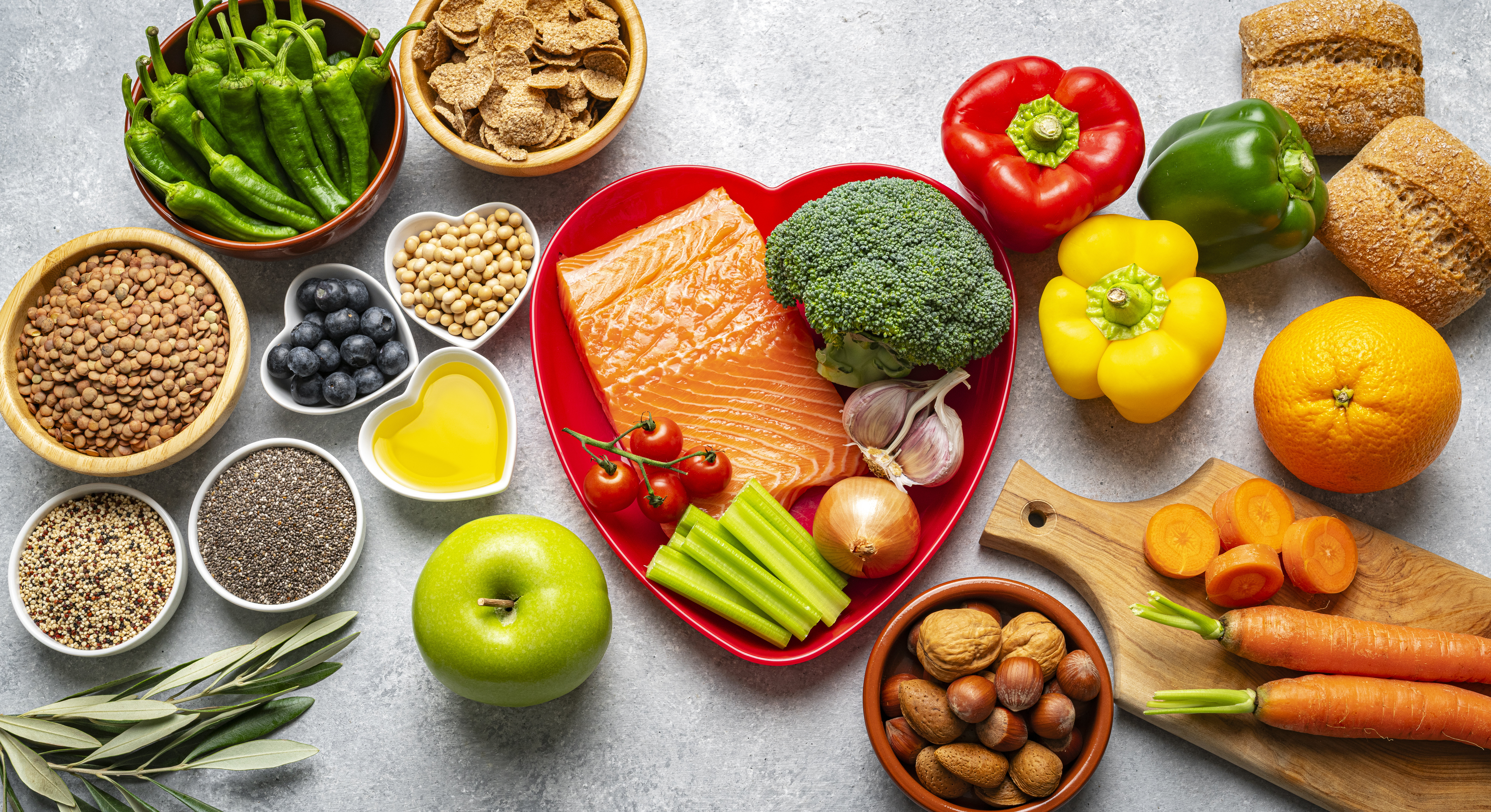
8 Must-Have Foods for a Stronger Heart

Make these a part of your daily routine—they are your heart's best friends:

  1. Oatmeal: Your personal "Cholesterol Sponge." It soaks up cholesterol in your gut. Pro-Tip: Skip the instant stuff; go for old-fashioned, rolled, or steel-cut instead.
  2. Berries: Antioxidant Powerhouses like blueberries and strawberries contain polyphenols that help your blood vessels relax, supporting healthy blood pressure.
  3. Tomatoes: Rich in Lycopene, a powerful compound that helps alleviate metabolic diseases impacting your heart. They are also packed with potassium. For maximum benefit, enjoy them cooked (sauces, juice).
  4. Nuts: Tiny Trophies of Protection, delivering a concentrated dose of antioxidants. Keep it to 1–2 ounces daily, and always choose raw and unsalted.
  5. Beans, Lentils, Peas (Legumes): Loaded with heart-healthy fiber. If you use canned, drain and rinse them to eliminate the extra sodium.
  6. Broccoli, Kale, Cabbage: These "Green Giants" are nutrient-dense and high in fiber, helping your cells thrive and keeping you full. Kale even offers bonus Omega-3s.
  7. Fatty Fish (Salmon) is your best source of Omega-3s (EPA/DHA). These fats are anti-inflammatory, lowering blood pressure, reducing clot risk, and optimizing heart rhythm. Other winners: lean meat, eggs, and other seafood.
  8. Avocado: The “Monounsaturated Marvel.” The kind of fat content in avocado positively impacts cholesterol levels, and offers a great source of potassium. Always choose fresh over processed guacamole.

Embracing a heart-healthy diet is a delicious way to safeguard your cardiovascular well-being. Make conscious choices: limit snack items, fast foods, canned soups, and other high-salt, high-fat, processed foods. Become a label reader – actively avoid saturated and trans fats, as they elevate cholesterol and increase your risk of heart disease. Your heart, your loved ones, and our cardiac experts at Dignity Health will thank you! Prevention is key, but early detection of heart problems means treatment can start earlier, so you'll live healthier longer. Learn more.

Dignity Health Blogs

What Kind of Support Can Help You Lose Weight?

FEB 16, 2026

successful and sustainable weight loss almost always depends on having the right support in place. This isn’t about willpower or motivation. It’s about biology, preparation, and building a plan you can maintain over the long term.

Read More Additional information about Weight Loss Support

The Unseen Heroes of Valentine's Day: Honoring Organ Donors and Lifesaving Transplants in Arizona

FEB 13, 2026

Dignity Health in Arizona is home to Norton Thoracic Institute which operates one of the nation's busiest and most successful lung transplant programs with robust and growing liver and kidney transplant programs.

Read More Additional information about Honoring Organ Donors And Lifesaving Transplants In Arizona

How Do You Make a Plan to Lose Weight?

JAN 23, 2026

One of the most common questions I hear from patients is, “Where do I even start?” For many people, weight loss feels overwhelming because they’ve tried plans before. Diets, programs, or quick fixes may have worked temporarily or didn’t work at all....

Read More Additional information about How Do You Make A Plan To Lose Weight