
Lobular Carcinoma In Situ (LCIS)
Not a true cancer, but abnormal cell growth in the lobules that indicates an increased risk for developing invasive breast cancer in the future.
Aware, Educate, Act.

Breast cancer is a disease in which cells in the breast grow out of control, forming a tumor. These cancerous cells can then invade surrounding tissue or spread (metastasize) to other areas of the body through the bloodstream and lymphatic system. Understanding breast cancer begins with recognizing its fundamental nature – an uncontrolled cellular growth – and the various ways it can manifest.
How Does Breast Cancer Develop?
Our bodies are made of billions of cells that normally grow, divide, and die in a regulated cycle. Cancer occurs when this cycle goes awry. In breast cancer, healthy breast cells mutate and begin to grow abnormally and rapidly. These rogue cells continue to divide, forming a mass of extra tissue called a tumor. Not all breast tumors are cancerous (malignant); some are benign (non-cancerous), but they still require medical evaluation.
Over time, if left untreated, malignant breast cancer cells can break away from the original tumor. They can travel to other parts of the body through the blood vessels or lymphatic system and form new tumors, a process known as metastasis. It's this ability to spread that makes breast cancer a serious and potentially life-threatening disease.
While often spoken of as a single disease, "breast cancer" is actually an umbrella term for several distinct types, each with its own characteristics and treatment approaches.
The most common types include:
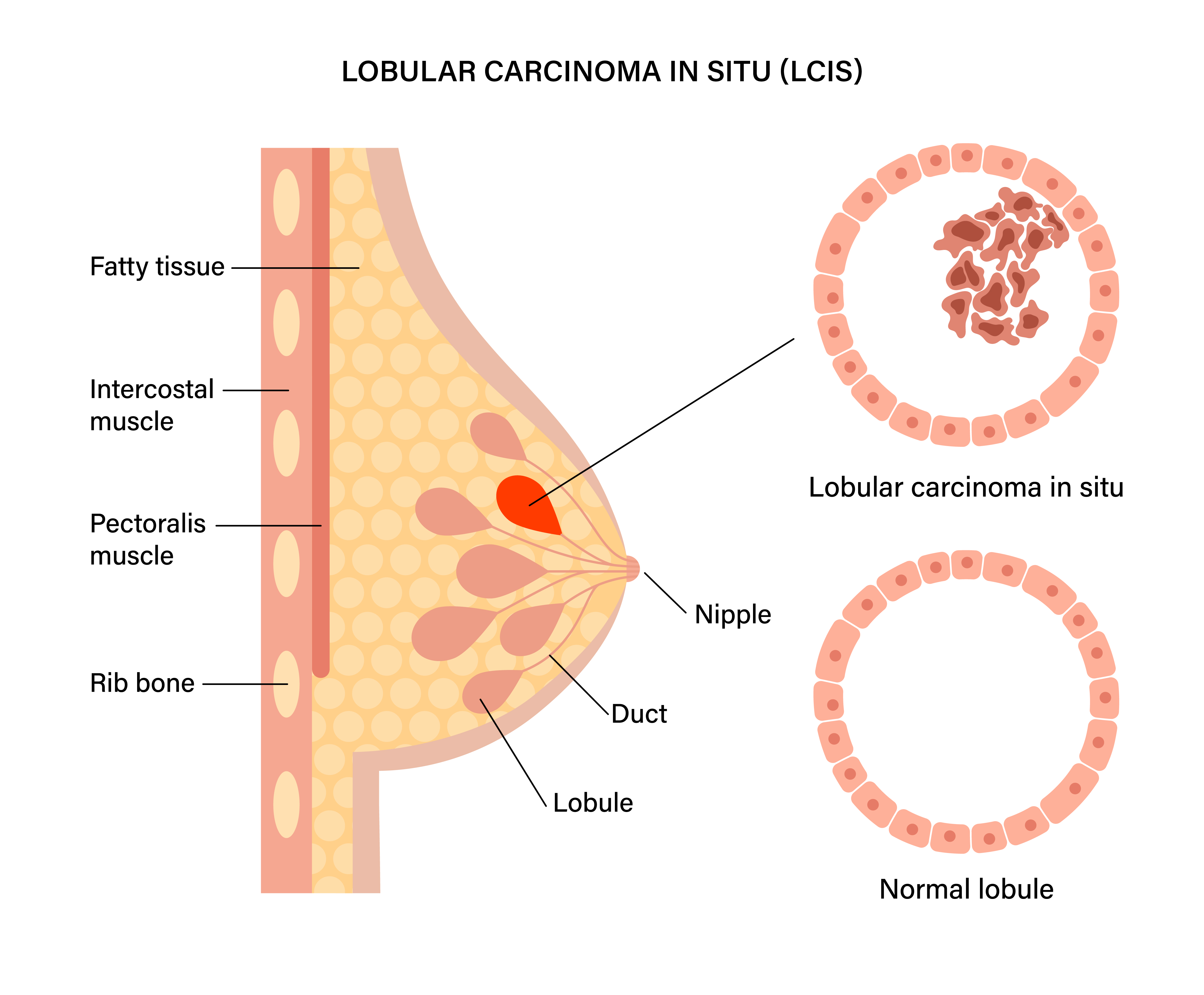
Not a true cancer, but abnormal cell growth in the lobules that indicates an increased risk for developing invasive breast cancer in the future.
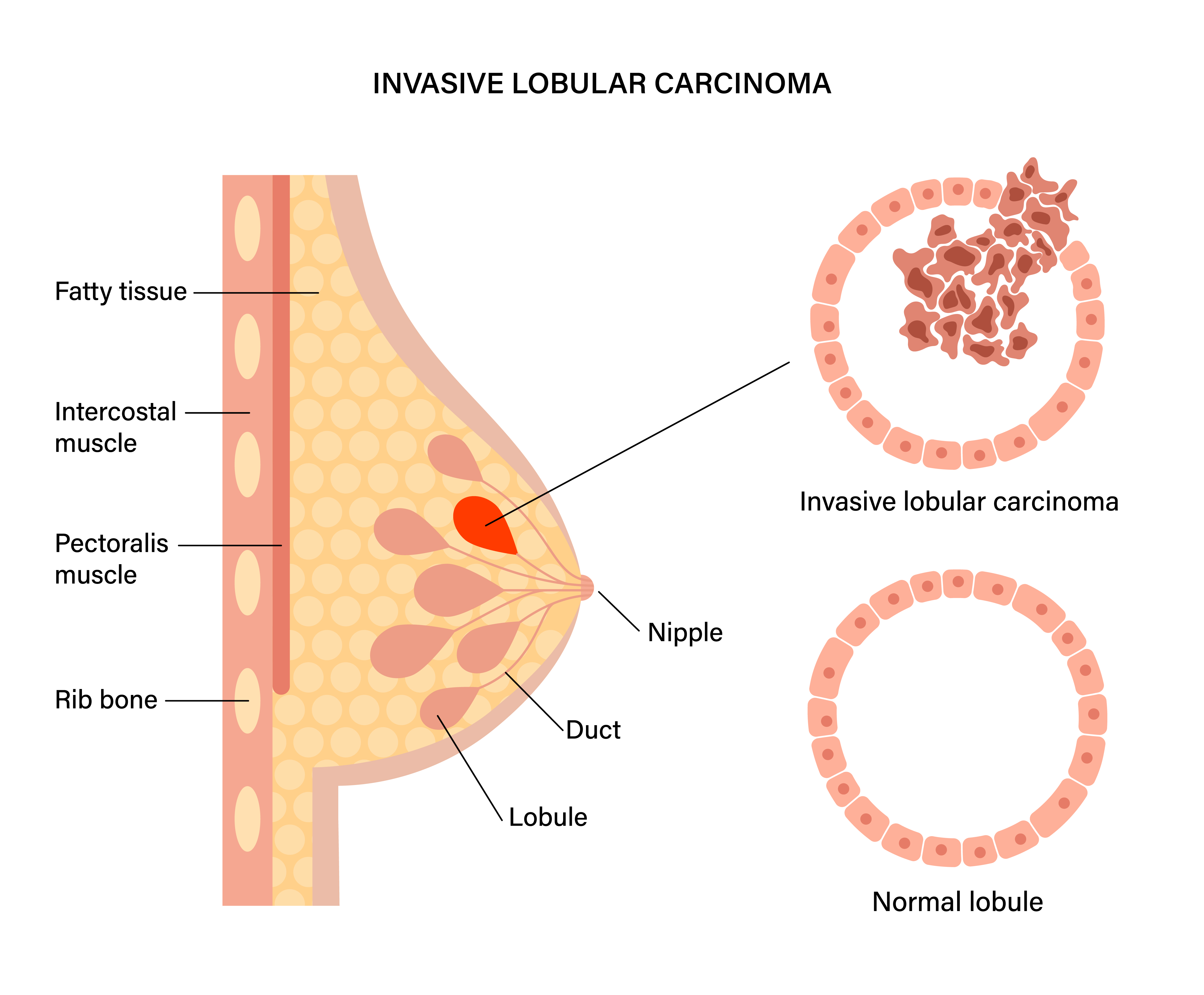
The most common type (70-80%), it starts in the milk ducts, then spreads into surrounding breast tissue and potentially to other body parts.
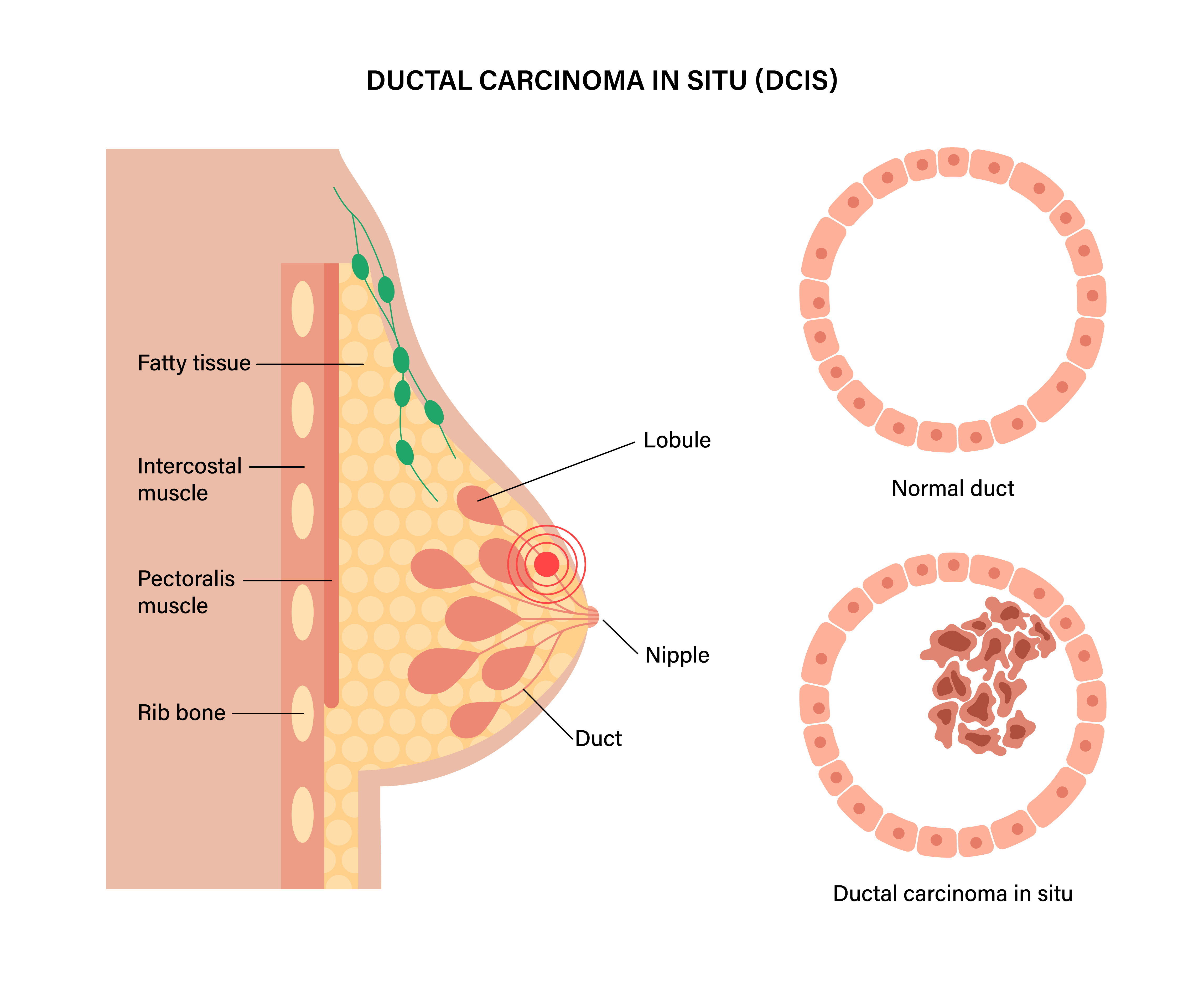
A non-invasive cancer where abnormal cells are confined to the milk ducts. While not immediately life-threatening, it can become invasive if untreated.
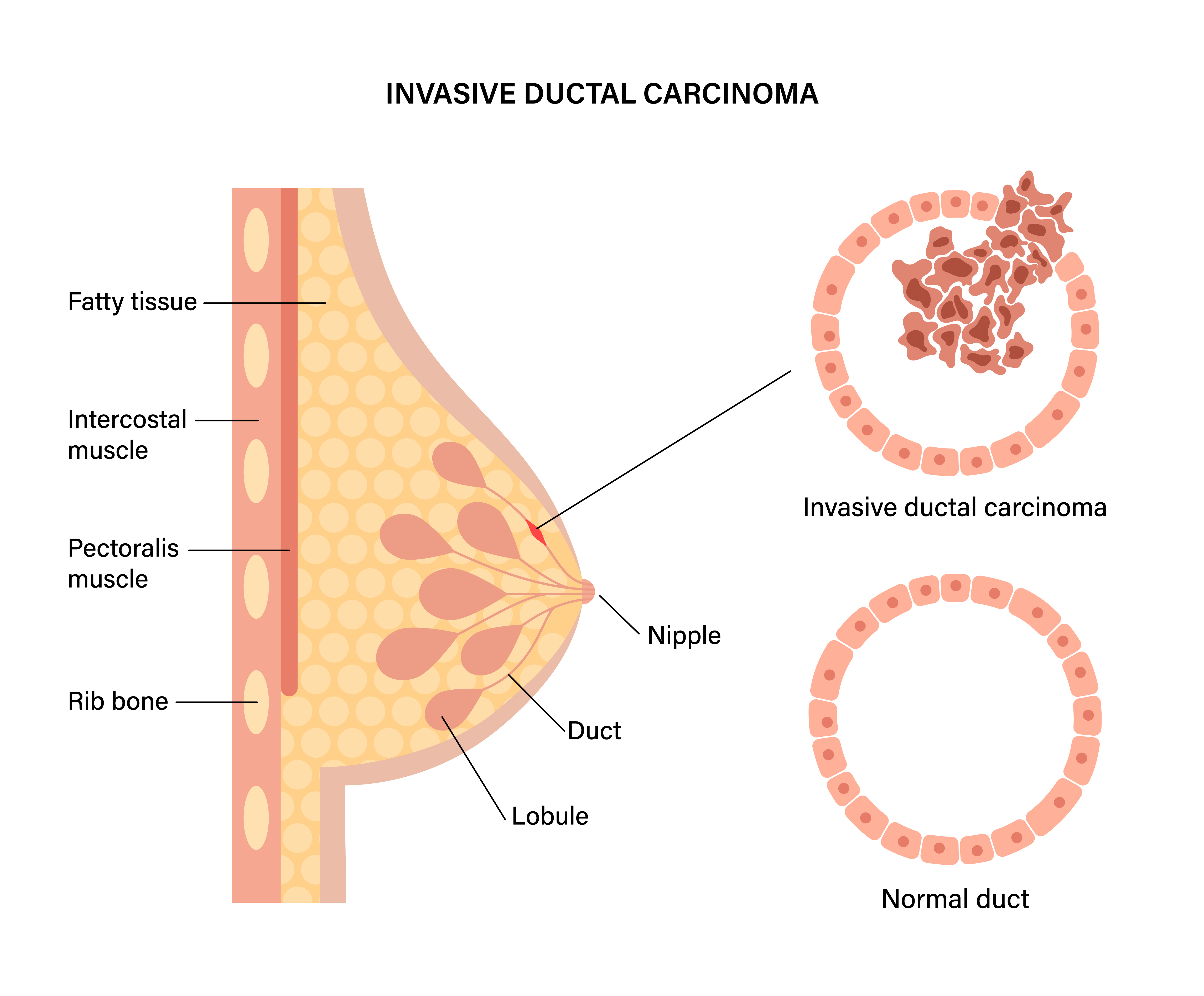
The second most common invasive type (10-15%), it begins in milk-producing glands (lobules) and spreads to surrounding tissue. Often subtle, it can be harder to detect than IDC.
Beyond these structural classifications, breast cancers are often further categorized by their biological characteristics, which significantly influence treatment decisions:
Triple-Negative Breast Cancer (TNBC): An aggressive type, it lacks estrogen, progesterone, and HER2 receptors, meaning it doesn't respond to hormone or HER2-targeted therapies and is typically treated with chemotherapy.
HER2-positive Breast Cancer: Features excess HER2 protein, which speeds cell growth. Targeted therapies are available to block HER2, significantly improving outcomes.
Hormone Receptor-Positive (ER+/PR+) Breast Cancer: The most common type, these cancers grow in response to estrogen and/or progesterone. They are often treated with hormone therapy to block or reduce these hormones.
Understanding these different types is crucial because it highlights why treatment plans are highly personalized, tailored to the specific characteristics of each individual's cancer.
Being aware of your body and recognizing changes is crucial for early detection, as it significantly improves outcomes. While many breast changes are benign, always have new or unusual symptoms checked by a doctor promptly.
What to Look and Feel For:

Risk Factors and Genetic Testing for Breast Cancer
Understanding breast cancer risk factors is an an important part of awareness. It's crucial to remember that having one or more risk factors doesn't mean you will get breast cancer, and many people who develop breast cancer have few or no known risk factors. However, being aware of them can help you have informed conversations with your doctor and make proactive health choices.
Risk factors are generally categorized into two groups: Non-Modifiable Risk Factors (Factors You Cannot Change) and Modifiable Risk Factors (Factors You Can Change)
By understanding both sets of risk factors, you can engage in an informed discussion with your healthcare provider about your individual breast cancer risk and the best approach to monitoring and prevention.
These are aspects of your health and genetics that you cannot alter. Awareness helps you and your doctor assess your risk and guide screening.
These are lifestyle choices and exposures you can influence. Making healthy changes can potentially lower your breast cancer risk.

Diagnosis & Treatment
Understanding the diagnosis and treatment process can empower you on your breast cancer journey. Modern medicine offers accurate diagnostic tools and personalized treatment options.
If screening or a personal observation (like a lump) raises suspicion, further tests are ordered:
Understanding that every breast cancer is unique, our approach to treatment is highly individualized. Based on your specific cancer type, stage, overall health, and personal preferences, a dedicated multidisciplinary team will collaboratively craft your tailored plan.
Treatment Planning:
Your medical team will explain all options, benefits, and side effects. Ask questions, seek second opinions, and ensure your treatment aligns with your goals.
Treatment options include:
When it comes to breast cancer, early detection is key. Finding cancer early, often before it causes noticeable symptoms or spreads, significantly improves treatment outcomes and survival rates. This section will guide you through the primary tools and practices for early detection, helping you be proactive about your breast health.
The goal of early detection is to identify breast cancer at its earliest, most treatable stages. Regular screening, combined with breast awareness, dramatically increases the chances of successful treatment.
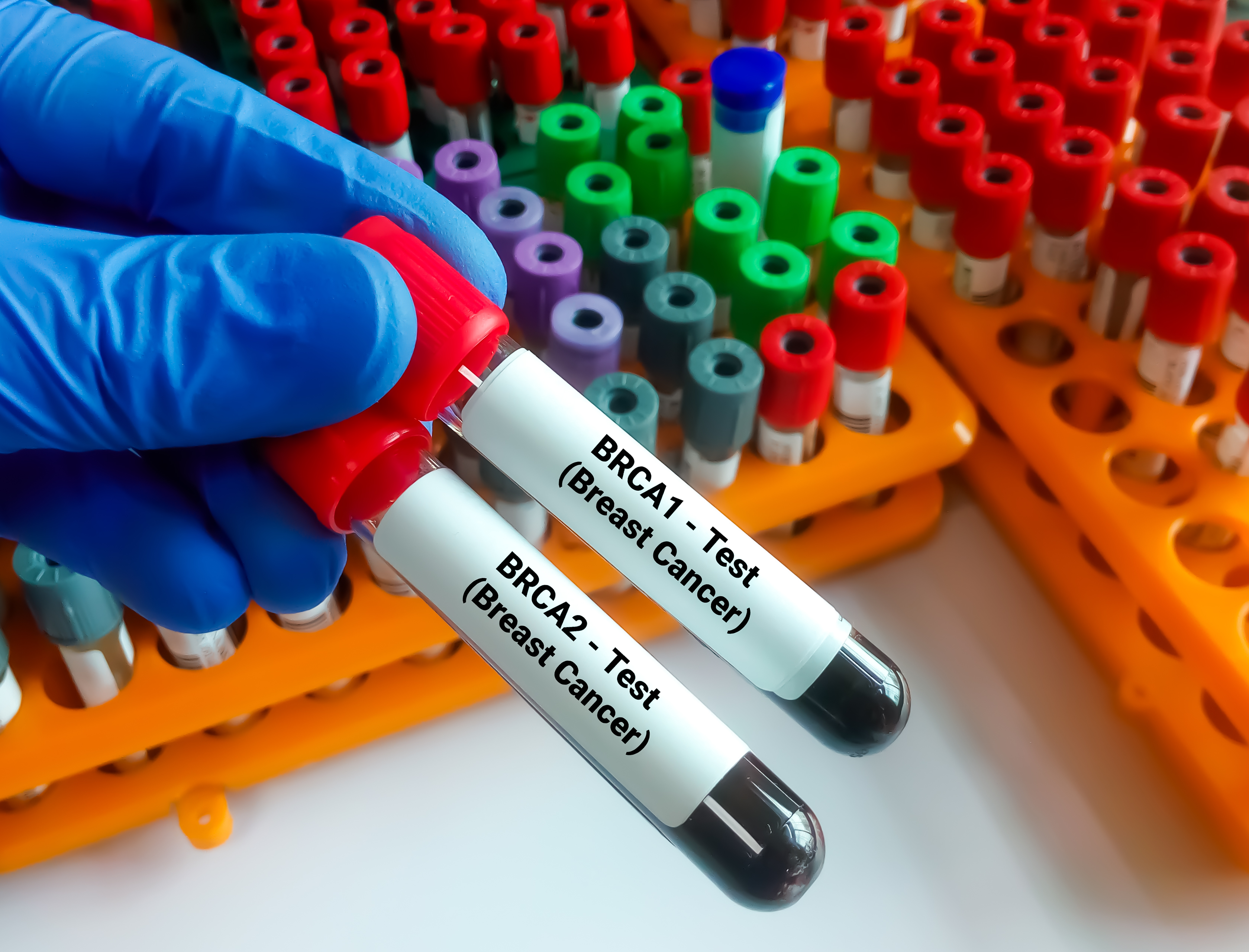
The phrase "breast cancer" can bring a lot of fear and uncertainty. For many, a diagnosis or a strong family history sparks questions: Why me? Why my family? While many breast cancers are sporadic (meaning they happen by chance)
Read More Additional information about Is Genetic Testing Right for You
We get it. Getting your mammogram isn't exactly a spa day. The awkward positions, the cold machine, the slight squeeze – it's not on anyone's list of favorite things to do. And in our busy lives, it's all too easy to let that reminder card slip
Read More Additional information about Don't Skip Your Mammogram Blog
When we talk about breast cancer, the usual suspects come to mind: genetics, age, and lifestyle choices like smoking or heavy drinking. And rightly so – these are crucial factors.
Read More Additional information about Beyond the Mammogram Blog