Exciting changes are coming!
The Dignity Health website is moving to CommonSpirit.org to deliver a more patient-centered digital experience across CA, AZ, and NV.

Early Detection & Screening for Breast Cancer
Early detection and screening for breast cancer are vital because they drastically improve survival rates (nearly 100% for localized cancer). Catching cancer early often leads to less aggressive treatments (e.g., lumpectomy instead of mastectomy, reduced need for chemo/radiation), which means better quality of life with fewer side effects and faster recovery. This approach aims to prevent the cancer from spreading (metastasis) to other parts of the body, where it becomes much harder to treat. In essence, early detection ensures the highest chance of successful treatment and a healthier future.
Early detection and screening are incredibly important for breast cancer for several critical reasons, primarily because they significantly improve the chances of successful treatment and survival.
Here's a breakdown of why:
Increases Survival Rates: This is the most crucial reason. When breast cancer is found early, especially before it has spread to lymph nodes or other parts of the body, the 5-year survival rate is significantly higher (over 99% for localized breast cancer). The later it's detected, the more aggressive and complex treatment becomes, and survival rates decrease.
Less Aggressive Treatment Options:
Better Quality of Life: By allowing for less aggressive treatments, early detection minimizes the physical and emotional toll on the patient. This means:
Limits Spread (Metastasis): When cancer cells spread from the original tumor to other parts of the body (metastasize), the cancer becomes much harder to treat and can be life-threatening. Early detection aims to catch and treat the cancer before this spread occurs.
Peace of Mind (for negative results): Regular screenings can also provide reassurance if no cancer is found, reducing anxiety for individuals at higher risk.
Empowerment and Informed Decisions: Knowing you have breast cancer, even if it's early stage, empowers you to make informed decisions about your treatment plan in consultation with your medical team. It gives you time to explore options, get second opinions, and prepare emotionally.
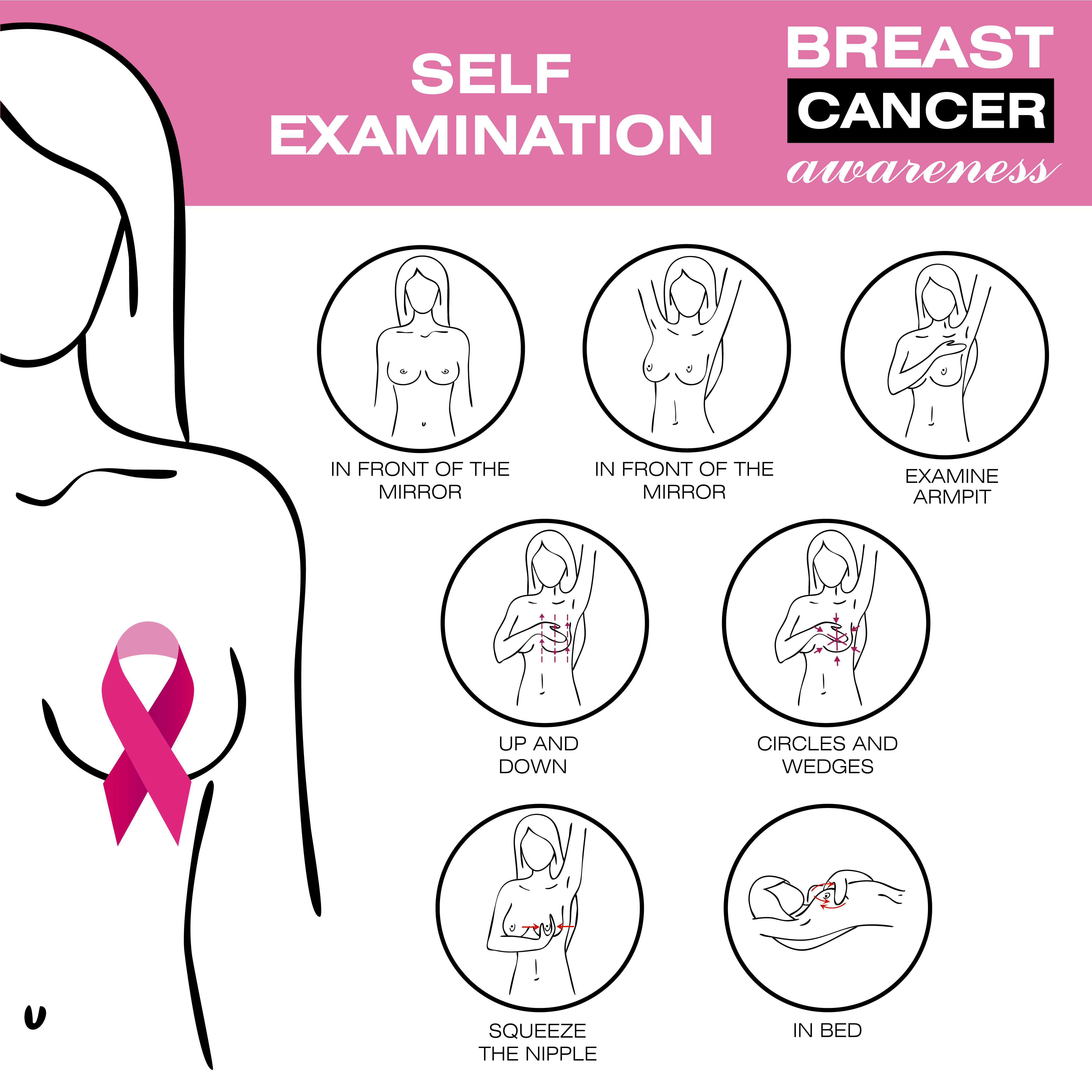
Breast Self-Exams (BSE): Know Your Breasts
Clinical Breast Exams (CBE): Professional Evaluation
Mammography: The Gold Standard
Other Tools: